In the world of HVAC (Heating, Ventilation, and Air Conditioning) systems, suspended ducting plays a crucial role in ensuring proper airflow and temperature regulation within a building. suspended ducting refers to a system of overhead pipes and ducts that are suspended from the ceiling, rather than running along the walls or floors. This method of duct installation offers a range of benefits that can result in a more efficient and effective HVAC system.
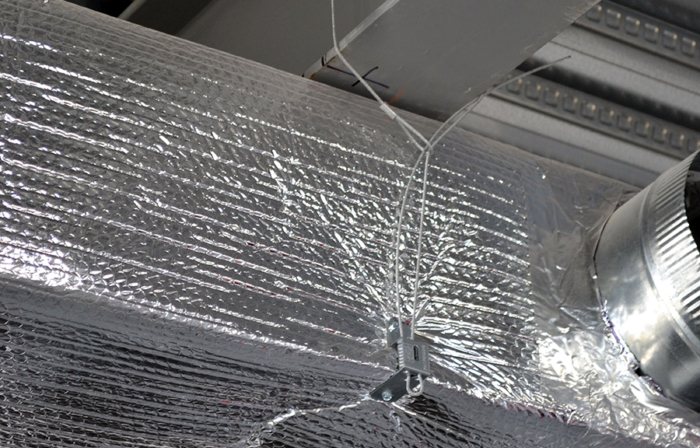
One of the primary advantages of suspended ducting is improved airflow. By running ductwork overhead, air can be distributed evenly throughout a space without obstructions or blockages along the walls or floors. This ensures that every room receives the proper amount of conditioned air, leading to more consistent temperatures and improved comfort for building occupants. Additionally, suspended ducting allows for easier access to the system for maintenance and repairs, as technicians do not have to navigate around obstacles on the ground.
Another key benefit of suspended ducting is the ability to maximize vertical space within a building. By taking advantage of the overhead area, contractors can design HVAC systems that are more compact and efficient, without sacrificing performance. This can be especially useful in buildings with limited floor space, where every square foot is valuable. suspended ducting allows for the installation of larger ducts and pipes without encroaching on usable floor space.
In addition to improved airflow and space utilization, suspended ducting can also contribute to energy savings and lower operating costs. By eliminating obstructions along the walls and floors, the system can operate more efficiently, requiring less energy to heat or cool a space. In a properly designed HVAC system with suspended ducting, air can flow freely without encountering resistance, leading to reduced energy consumption and lower utility bills for building owners.
Furthermore, the accessibility of suspended ducting can make maintenance and repairs easier and more cost-effective. With ductwork hanging overhead, technicians can quickly locate and address issues without having to dismantle walls or floors. This can result in shorter downtime for the HVAC system and lower repair costs for the building owner. Regular maintenance of a suspended ducting system can also prolong its lifespan and prevent more serious problems from developing over time.
When it comes to aesthetics, suspended ducting can also offer a sleek and modern design that blends seamlessly with the overall look of a building. With ductwork hidden overhead, the visual impact of the system is minimized, allowing the focus to remain on the interior design and architecture of the space. This can be particularly beneficial in commercial buildings or public spaces where a clean and unobtrusive appearance is desired.
In conclusion, suspended ducting is a highly effective and efficient method of installing HVAC systems that offers a range of benefits for building owners and occupants alike. From improved airflow and space utilization to energy savings and ease of maintenance, there are many reasons why suspended ducting is an attractive option for a variety of buildings. By choosing suspended ducting for your HVAC system, you can enjoy a more comfortable, cost-effective, and visually appealing environment for years to come.